
QUICK ANSWER
Another person’s account may appear on your credit report because (1) you are connected to the account as an authorized user, joint account-holder, or co-borrower, (2) a credit reporting error matched your information to the wrong consumer, or (3) identity theft linked you to an unauthorized account. Review the account details carefully and dispute any information that does not belong to you. Consult with a credit reporting lawyer for help filing a dispute or pursuing legal action.
What Does It Mean When Another Person’s Account Appears on Your Credit Report?
When another person’s account appears on your credit report, it typically means a creditor or credit bureau has connected the account to your credit file, whether legitimately (because you are an authorized user, joint account holder, or co-borrower, or inappropriately (because your data has been mismatched with another consumer or you’ve been the victim of identity theft).
How Credit Reports Link Accounts to Consumers
Credit bureaus create reports using information supplied by lenders, creditors, and other companies. Accounts may be linked using details such as names, Social Security numbers, birth dates, and addresses.
When Another Person’s Account May Legitimately Appear
An account may legitimately appear on your credit report if you are an authorized user, joint account holder, or co-borrower.
Why Unexpected Accounts Can Be Concerning
An unfamiliar account on your credit report may indicate a reporting mistake, mixed credit file, or identity theft. It can also affect your credit if it contains a high balance, missed payments, or other negative information.
Common Reasons Someone Else’s Account Is Showing Up
Common reasons include authorized-user status, joint responsibility for an account, credit reporting errors, and fraudulent activity.
Authorized User Status
An authorized user is permitted to use another person’s credit account but is generally not responsible for repaying the debt. The account may still appear on the authorized user’s credit report.
Joint Accounts and Co-Borrowing
A joint account or co-signed loan may appear because each borrower agreed to be responsible for the debt. An account does not become incorrect merely because another person is the primary user.
Credit Reporting Errors and Mixed Files
A mixed file occurs when information belonging to different consumers is combined. Similar names, addresses, or other identifying information may contribute to an account being placed in the wrong credit file.
Identity Theft or Fraudulent Activity
An unfamiliar account may have been opened by someone using your personal information. Unknown accounts and charges are recognized warning signs of identity theft.
How to Determine Whether an Account Belongs on Your Credit Report
Review the account details and compare of the account appears on your credit reports from all three major credit bureaus- Experian, Equifax, and TransUnion. Then contact the company reporting the account (e.g. a credit card company), if you have any questions. If the information is inaccurate, or the result of a mixed credit file error or identity theft, you should formally dispute it.
Review the Account Details Carefully
Review the creditor, account details, opening date, balance, payment record, and current status. Consider whether the account is familiar or whether you may have been added to it.
Compare Information Across All Three Credit Bureaus
Review your Equifax, Experian, and TransUnion reports. An account may appear on one report but not the others because creditors do not always report to every bureau.
Contact the Creditor for Verification
Ask the creditor to explain why the account is connected to you. Request records showing whether you are listed as an owner, co-borrower, co-signer, or authorized user.
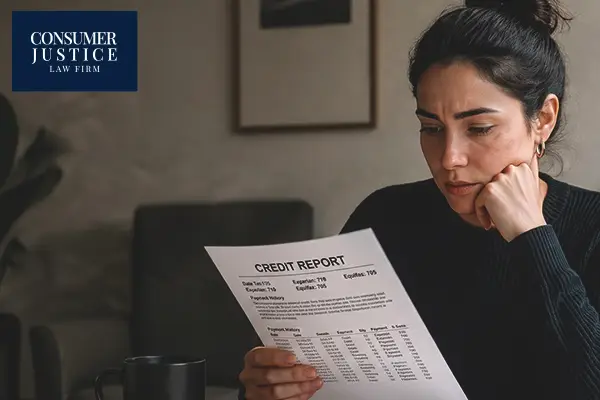
How To Remove an Incorrect Account
Dispute the account with the credit bureau (preferably through certified mail), provide copies of supporting documents, and review the investigation results provided by the credit bureau.
Dispute the Error With the Credit Bureau
Identify the account, explain why it is incorrect, and request its correction or removal. You may also dispute the information directly with the company that supplied it.
Submit Supporting Documentation
Provide copies, not originals of relevant documents. These may include identification, account statements, creditor correspondence, police reports, or an FTC Identity Theft Report.
Follow Up on the Investigation Results
A credit bureau generally has 30 days to investigate a dispute, although limited circumstances may extend that period. Review the results and a new copy of your report to confirm that the account was corrected or removed.
What to Do If Identity Theft Is Involved?
If ID theft is involved be sure to protect your credit, report the theft, and dispute every fraudulent account.
Place a Fraud Alert or Credit Freeze
A fraud alert prompts lenders to use additional measures to confirm your identity. A credit freeze restricts access to your credit report, making it harder for someone to open a new account in your name.
Report the Identity Theft
Report identity theft through IdentityTheft.gov and follow the recovery plan provided. Reach out to the fraud department at every company connected to an account you did not authorize. For help removing identity-theft related reporting errors from bank and credit card statements and credit reports, speak to an identity theft recovery attorney.
Monitor Your Credit for Additional Issues
Continue reviewing all three credit reports for new accounts, inquiries, addresses, or other information you do not recognize.
How Can Incorrect Accounts Affect Your Credit?
An incorrect account can affect your credit scores, borrowing options, and financial obligations.
Impact on Credit Scores
Late payments, collections, high balances, and excessive debt connected to the wrong account may lower your credit scores.
Effects on Future Lending Decisions
Lenders, landlords, and even employers (for some positions) may use credit reports and credit scores when deciding whether to approve an application and what interest rate or terms to offer. Inaccurate credit report data can lead to unfair rejections, higher security deposits, and worse terms.
Potential Financial and Legal Consequences
An incorrect account may contribute to denied credit, higher borrowing costs, collection activity, or disputes over a debt you do not owe.
When to Seek Legal Help?
Legal help may be appropriate when disputes fail, inaccurate information reappears, identity-theft accounts remain, or reporting errors cause financial harm.
Signs Professional Assistance May Be Needed
Consider speaking with an attorney if a credit bureau or creditor ignores evidence, conducts an inadequate investigation, verifies an account without explanation, or continues reporting information that does not belong to you. Similarly, if you have experienced harm due to credit reporting errors (including lost rentals, car loans, insurance, mortgages, credit cards, or similar), you should consider discussing your rights with a lawyer.
Consumer Rights Under Federal Law
The Fair Credit Reporting Act gives consumers the right to dispute inaccurate or incomplete credit information. Credit bureaus must investigate qualifying disputes, and companies that violate federal reporting requirements may face legal consequences.
Frequently Asked Questions
Can an Authorized User Account Be Removed?
Often, yes. Contact the primary account holder or card issuer and request removal as an authorized user.
How Long Does a Credit Report Dispute Take?
A credit bureau generally has 30 days to investigate and respond to a dispute. The period may be extended by up to 15 days in certain circumstances. If the dispute is ignored, mishandled, or the info continues to get reported, the dispute may need to be escalated to legal action.
What Should I Do if the Account Reappears After Disputing?
Dispute it again, include the prior results, and ask why it was reinserted. If unresolved, consider legal help.