QUICK ANSWER
Under the Fair Credit Reporting Act (FCRA), once a credit report error dispute has been received by the credit bureau, it should be investigated and responded to within 30 days for most errors, with a short extension to 45 days for more complex errors or if additional documentation is provided. If your dispute is ignored, inadequately investigated, or mishandled in a way that exceeds this timing, it is likely a violation of the FCRA.
How Long Does It Typically Take to Correct a Credit Report Error?
Credit report errors are typically corrected within 30 days after a credit reporting agency receives a dispute. Some investigations may be completed sooner if the information is straightforward. Longer investigations can take up to 45 days in more complex cases.
When Credit Report Corrections May Take Longer
Corrections may take longer if additional documentation is needed or the investigation involves complex issues.
How You Will Be Notified of the Results
Generally, you will receive the results through the same method you used to submit your dispute, such as by mail or through your online account.
What Happens After You Dispute a Credit Report Error?
After you dispute a credit report error, the credit reporting agency investigates the claim and determines whether the information should be corrected, updated, or removed.
How Credit Reporting Agencies Review Disputes
Credit reporting agencies review the disputed information and any supporting documents you provide. In addition to reviewing the disputed information, credit reporting agencies forward the details to the furnishing company for verification.
The Role of Data Furnishers in the Investigation
Data furnishers are companies that send consumer payment and account information to the credit bureaus. These are the lenders or creditors that you have a direct relationship with, such as retail banks, credit card issuers, student loan lenders, and utiility companies. When credit bureaus investigate a dispute, they typically reques that the company that provided the information (the data furnisher) review and verify whether the reported information was accurate or false.
Factors That Can Affect How Long It Takes to Fix a Credit Report Error
There are several primary factors that can impact how long it takes to fix a credit report error, including:
- The Complexity of the Error: More complex disputes often require additional time to investigate, and may extend the typical review time of 30 days to 45 days.
- The quality and clarity of the dispute and evidence: Providing clear details about what information is in dispute, why it’s wrong, and what evidence you have to support it, along with copies of the supporting documents, may help resolve a dispute more quickly. If credit bureaus do not believe a dispute is sufficiently supported, they dismiss it as “frivolous.”
- Submitting additional information: If you provide additional information or supporting documentation after the dispute has been filed, this is typically used by the credit bureaus to extend the investigation and response period.
- Furnisher delays: The credit bureaus essentially pass along the duty to investigate to the original furnisher of the data. Delays on the furnisher end can result in delays on the credit bureau’s end. However, despite these delays, the credit bureau should still remove unverified data from your credit report within the 30-45 day investigation window. If the data furnisher later verifies the data, it can be added back into your report.
How to Dispute a Credit Report Error Effectively
You can dispute a credit report error effectively by submitting a clear and complete dispute supported by accurate documentation.
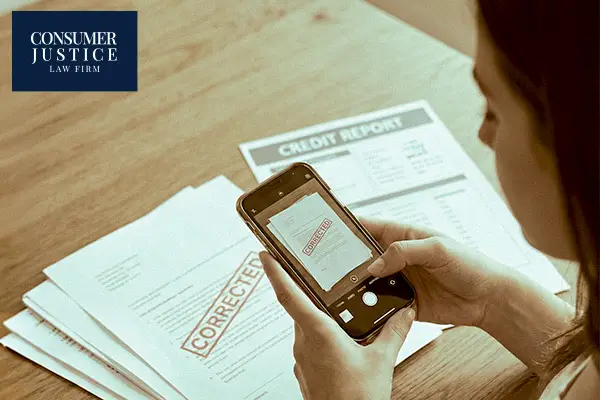
- Review Your Credit Report Carefully: Get a free copy of your credit report at annualcreditreport.com. Clearly mark each error before submitting your dispute by highlighting, circling, undlining, etc.
- Gather Documents Supporting Your Claim: Identify and gather supporting documentation showing why the information is inaccurate. Include copies of the supporting documents, clearly marked, with your dispute.
- Example of supporting evidence: copies of payment confirmations you received from the credit card company when you made payment.
- Submit a Complete and Detailed Dispute: Clearly explain why the information is inaccurate and include all relevant supporting documentation. The more specific your explanation, the stronger your dispute will be.
- Example of how to state things: Instead of writing, “This is wrong,” provide details such as: “The negative account reported on [date] is inaccurate because the balance was paid in full on [date]. Attached are my payment confirmation and account statement as supporting documentation.” Review sample dispute letters here.
- Monitor the Status of Your Dispute: Track the time from the day the dispute is received by the credit bureau. By law, they have 30 days to investigate and respond. Follow up with the credit reporting agency until the investigation is complete.
What If a Credit Report Error Is Not Corrected?
If a credit report error is not corrected, you may have additional options under the Fair Credit Reporting Act (FCRA) including requesting a reinvestigation, filing a complaint with the appropriate consumer protection agency, or pursuing legal action.
Requesting a Reinvestigation
You may request another investigation into the disputed information if you have new or additional supporting information or documentation.
Filing Complaints With Consumer Protection Agencies
You may file a complaint with the appropriate consumer protection agency if the issue remains unresolved.
Pursing Legal Action
You may consult a credit report error lawyer to determine whether filing a lawsuit against the credit bureau or the data furnisher is the appropriate next step to getting the error corrected.
When Should You Contact a Consumer Protection Attorney?
You should consider contacting a consumer protection attorney if a credit reporting agency fails to comply with the FCRA or inaccurate reporting causes you harm.
Consider talking to a lawyer if the credit bureau:
- Ignores a Dispute: Failure to reasonably investigate a valid dispute may violate the FCRA.
- Verifies Inaccurate Information: Incorrectly verifying false information may indicate an improper investigation.
- Repeats Reporting of Incorrect Information: Repeated reporting of the same inaccurate information may require legal action.
- Causes You Financial or Other Harm: Reporting errors that result in denied credit or rentals, higher interest rates or security deposits, or other adverse impacts.
How a Consumer Protection Lawyer Can Help Resolve Credit Report Errors
A consumer protection lawyer, sometimes referred to as a credit report attorney - can help enforce your rights under the FCRA and pursue available legal remedies by:
- Investigating Credit Reporting Violations: An attorney can determine whether a credit reporting agency or data furnisher violated the FCRA.
- Drafting Credit Report Disputes: An attorney can prepare a detailed dispute letter, and help identify and gather supporting documentation.
- Communicating With Credit Reporting Agencies: A lawyer can communicate with credit reporting agencies, data furnishers, and others to help resolve ongoing disputes.
- Filing a lawsuit: A lawyer can escalate a dispute into a lawsuit if FCRA violations are ongoing or the harm you suffered warrants it.
- Pursuing Compensation for FCRA Violations: Seeking corrections and compensation that you may be entitled to recover based on the facts of your specific claim.
Frequently Asked Questions
How long does a credit bureau have to investigate a dispute?
Under the Fair Credit Reporting Act, a credit bureau generally has 30 days to investigate most disputes. If additional information or documentation is supplied during the investigation, the investigation can be extended to 45 days.
Can a credit report error be fixed in less than 30 days?
Yes. Some credit report errors are fixed in less than 30 days. This typically happens when the error is straightforward and supporting documentation is provided.
What happens while a credit report dispute is under investigation?
The information in dispute remains on your credit report while the credit bureau reviews your dispute and contacts the data furnisher to verify the information. However, the specific information is typically flagged and marked as being in dispute on your credit report.
Why is my credit report dispute taking longer than expected?
Complex disputes, incomplete information, or requests for additional documentation may extend the investigation. If the error remains or you have not received a response after 45 days, you should consider consulting a credit report lawyer.
How can I check the status of my credit report dispute?
Contact the credit bureau or use its online dispute portal, if available.
Can inaccurate information reappear on my credit report after it is removed?
Yes. It is actually common for credit report errors to be investigated and removed, only to show up again at a later date. This is typically caused by errors that were not corrected at the source, which continue to be reported to the credit bureau. Reporting the same error again is a violation of the Fair Credit Reporting Act.
Will disputing a credit report error hurt my credit score?
No. Disputing false information contained in your credit report should not lower your credit score.
Can I sue a credit bureau for failing to correct inaccurate information?
Yes. If a credit bureau violates the FCRA or you suffer harm from a credit report error, you may have the right to sue the credit burea for corrections and compensation. A lawyer can review the facts of your claim and determine whether a lawsuit is the appropriate step.
Learn more about fixing credit report errors here. If you’ve been harmed by errors, get a FREE consultation. You pay $0 upfront or out of pocket. We only get paid when we win. No Justice, No Fee™