
Quick Answer
Yes, you may be able sue if an insurance report error causes your auto insurance rates to increase. Insurance companies often rely on reports such as CLUE reports when setting premiums. If errors in these reports result in higher rates, you may have a legal claim for damages, including increased insurance costs and other losses, and the screening company pays the legal fees for your insurance report error lawyer.
How Insurance Reports Affect Auto Insurance Premiums
Insurers often use consumer reports to assess insurance history, risk, eligibility, and premiums prior to approving coverage and setting rates and premiums.
What Information Insurers Review
Insurers typically review your claims history, accident history, driving record, license status, identity and vehicle information, policy history, and other underwriting information.
The Role of CLUE and Other Insurance Reports
CLUE and similar reports provide claims information that insurers may consider when evaluating an applicant or policyholder.
Can Insurance Report Errors Increase Your Auto Insurance Rates?
Insurance report errors can increase your auto insurance rates if inaccurate information makes you appear to present a greater insurance risk.
Incorrect Accident Information
An accident may be wrongly attributed to you or your vehicle, potentially affecting underwriting.
Claims That Do Not Belong to You
Another person’s insurance claim may mistakenly appear in your file.
Duplicate Claims Entries
A single claim may appear more than once, making your claims history appear more extensive.
Identity Mix-Ups and Mixed File Errors
Information belonging to another consumer may become associated with your insurance report.
Common Insurance Report Errors That Lead to Higher Premiums
1. Inaccurate Claims Histories
Claims may be inaccurate, incomplete, duplicated, or improperly attributed.
2. Incorrect Driver Information
Incorrect names, vehicles, addresses, or other identifying information may cause records to be improperly matched.
3. Reporting Errors Following Identity Theft
Identity theft may result in fraudulent claims or other incorrect information appearing in a consumer report.
4. Outdated or Misclassified Claims
Claims may contain wrong dates, status information, loss details, or other classifications.
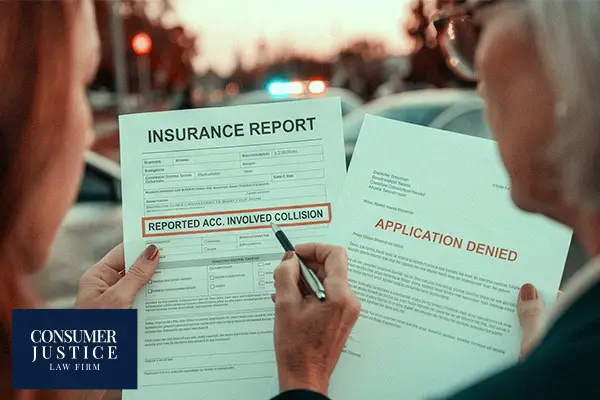
Can You Sue After an Insurance Report Error Raises Your Rates?
You may be able to sue after an insurance report error raises your rates if an FCRA violation caused financial or other legally recognized harm.
When an Insurance Reporting Agency May Be Liable
Failure to Maintain Accurate Information
Under the FCRA, consumer reporting agencies, which includes background check companies that prepare insurance reports, must follow reasonable procedures to assure maximum possible accuracy when preparing these reports. Failure to meet this standard is a violation of your rights.
Failure to Conduct a Reasonable Investigation
When you properly dispute inaccurate or incomplete information in your insurance report, the reporting agency responsible for the creating the report must conduct a reasonable reinvestigation of the information in dispute. Typically, this reinvestigation must be completed within 30 days, with some limited exceptions.
Failure to Correct Verified Errors
Information found to be inaccurate, incomplete, or unverifiable must be deleted or modified as required by the FCRA. If this information remains on your report or returns after being removed, it is a violation of your consumer rights.
Your Rights Under the Fair Credit Reporting Act (FCRA)
The FCRA gives consumers rights to access information in their files, dispute inaccurate or incomplete information, and receive a reinvestigation.
How to Dispute an Insurance Report Error
1. Obtain a Copy of Your Insurance Report
Request your consumer disclosure from the reporting agency and review the information.
2. Identify Inaccurate Information
Identify claims, accidents, vehicles, drivers, or other items you believe are false.
3. Submit a Formal Dispute
Find the error and explain why it’s inaccurate. Consider sending via certified mail.
4. Monitor the Investigation Results
Review investigation results and whether the disputed information was corrected or removed.
Evidence That May Support an Insurance Report Error Claim
Insurance Premium Increase Notices
Keep notices or policy documents showing when and how your premium increased.
Insurance Reports Showing Inaccurate Information
Save copies of reports containing the disputed claims or other errors.
Correspondence Related to Disputes
Keep dispute letters, emails, supporting documents, and investigation results.
Documentation of Financial Harm
Keep billing records or other documents showing increased insurance costs or related losses.
Damages Available in an Insurance Report Error Lawsuit
Increased Insurance Costs
Additional premiums caused by inaccurate reporting support a claim for actual damages.
Actual Damages
Actual damages are available for financial or other compensable harm caused by an FCRA violation.
Statutory Damages
Statutory damages are available for certain willful FCRA violations.
Attorney’s Fees and Costs
Successful FCRA claims allow recovery of reasonable attorney’s fees and costs.
How a Consumer Protection Attorney Can Help
A consumer protection attorney can review the CLUE reporting error, dispute history, insurer’s decision, and resulting damages to determine whether the circumstances support a legal claim.
Frequently Asked Questions
Can an insurance report error increase my auto insurance rates?
An insurance report error can increase your auto insurance rates if inaccurate information affects underwriting.
What is an insurance report?
An insurance report is a consumer report containing claims or other information used during the underwriting process to determine coverage approvals and limits, and set premiums and rates.
What is a CLUE report, and how does it affect insurance premiums?
A CLUE report is an insurance claims history report that insurers may use when evaluating risk and premiums. It can affect outcomes by swaying decisions regarding coverage and rates.
Can I sue if incorrect claims information caused my premiums to increase?
Yes, you can sue if incorrect claims information caused higher premiums and the circumstances support a legal claim.
What laws protect consumers from insurance report errors?
The Fair Credit Reporting Act is the primary federal law that protects consumers by regulating consumer reporting accuracy, disclosures, and disputes.
How do I find out whether my insurance report contains mistakes?
You can find out by requesting your report and reviewing the information for inaccuracies.
How do I dispute an error on my insurance report?
To formally dispute an error, you should follow the dispute procedures provided by the insurance background check company and identify the information you believe is inaccurate. This typically involves mailing a dispute letter by certified mail and including copies of relevant documents as evidence.
How long does an insurance reporting agency have to investigate my dispute?
An insurance reporting agency generally has 30 days, or up to 45 days in some cases.
What compensation may be available in an insurance report error lawsuit?
Compensation may include actual damages and, for certain willful violations, statutory or punitive damages. Plus, the background check company has to pay your legal costs and fees.
Can identity theft cause higher auto insurance premiums?
Yes, identity theft can cause higher auto insurance premiums if fraudulent information affects underwriting.
What evidence should I keep if I believe an insurance report error increased my rates?
You should keep copies of the reports showing the errors, records of your dispute (including certified mail receipts), premium notices, correspondence, and documentation of financial harm.
When should I contact a lawyer about an insurance report error?
You should consider contacting an insurance report error lawyer if an unresolved reporting error causes financial harm.