
Quick Takeaway
RealPage errors, such as incorrect rental history, eviction records, criminal records, or identity mix-ups, can cause your rental application to be denied unfairly. Under the Fair Credit Reporting Act (FCRA), you have the right to request your report, dispute errors, and seek legal remedies if the errors caused you harm. A tenant screening report error lawyer can offer personalized legal guideance on how to dispute, when to sue, and whether you can get compensation.
Key Facts About RealPage Screening Reports
- RealPage is one of the largest tenant-screening providers used by landlords
- Screening reports may include credit, eviction, rental, income, and background information, including criminal history
- Errors in RealPage screening reports can affect rental approval decisions, security deposit requirements, and rental fees
- Renters have the right to request and review their reports
- Federal law, under the Fair Credit Reporting Act, allows consumers to dispute inaccurate information in tenant screening reports
- Legal remedies may be available when reporting errors cause harm or disputes are ignored or mishandled
What is RealPage Screening?
A RealPage screening is essentially a rental background check. Before a landlord hands over the keys, they want to know: “Is this person likely to pay rent on time, follow the lease, and not cause trouble?”
To answer that, they rely on a tenant screening report created through the property manager screening process. RealPage is a company with broad offerings in the property management area, including its LeasingDesk software, which is specifically aimed at processing rental background checks.
When you apply for an apartment, the landlord may run a RealPage background check, which can include an assortment of private and public information, including:
- Credit-related data
- Rental background check data
- Personal identification info
- Criminal background (if applicable)
- Eviction records
Here’s how tenant screening works in simple terms:
When you submit a rental application, the landlord or property manager may request a RealPage screening report as part of their rental applicant screening process. You don’t interact with RealPage directly, it works in the background as part of the broader landlord tenant screening system.
- You submit a rental application
- The landlord requests a screening report, which you need to authorize
- RealPage gathers data from multiple sources using its LeasingDesk software
- The system produces a report and recommendation about your possible tenancy
That recommendation often includes a RealPage pass or fail score. And yes, it can feel like being graded on a test you didn’t know you were taking. This process plays a huge role in assessing the creditworthiness of rental applicants, even though it’s not the same as a traditional credit decision.
What is Your Report Card from RealPage?
Your RealPage screening report evaluates your background and helps determine whether you get approved or denied for a rental. It pulls together different pieces of your history and turns them into a decision tool for landlords. This can include your payment history, past rental behavior, public records, and internal screening scores. All of this data is used during the property manager screening process to assess the creditworthiness of rental applicants.
How landlords use this information
These reports are what landlords and property managers rely on when making decisions. Through rental applicant screening, including RealPage tenant screening reports, they’re trying to predict whether you’ll be a reliable tenant. The system simplifies complex data into something quick and easy for them to review - but it’s not always accurate.
But here’s the tricky part: even small errors in a RealPage report can lead to a rental application denial. An incorrect rental history on RealPage, RealPage criminal background errors, or even mixed-up identity data can all result in an apartment application being denied. These rental screening errors can show up without warning, leaving you stuck trying to figure out what went wrong, and why.
Why is RealPage on My Credit Report?
RealPage can show up on your cedit report because your information was accessed during this process, it gets recorded just like when you apply for a credit card or loan even though RealPage is not a credit card company or a lender. It’s a tenant screening company. This means it collects and shares information about rental applicants with landlords and property managers.
So, seeing RealPage on your credit report usually means you recently applied for housing and went through a RealPage tenant screening process. This screening often includes a RealPage background check, which can trigger a RealPage credit report inquiry or even a RealPage hard inquiry on credit report depending on how the check was run.
This process can trigger a RealPage credit report inquiry or even a RealPage hard inquiry on a credit report, depending on how it’s done. You may even see LeasingDesk on your report since RealPage owns and operates its tenant screening platform under that name.
What it does (and doesn’t) mean
Seeing RealPage on your report does not mean you owe money or opened an account. It simply reflects that a tenant screening report was requested as part of a rental application. However, the results of that screening - especially if there are errors in a RealPage report- can still impact whether your application is approved or lead to a rental application denial.
Common RealPage Screening Report Errors
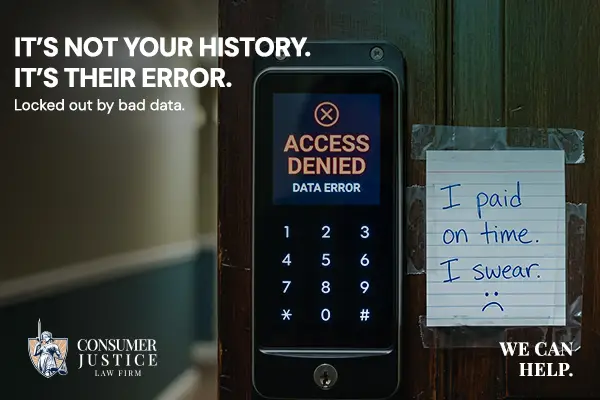
Mistakes in a tenant background check happen more often than they should. Most errors aren’t intentional. They’re the result of large data systems pulling from multiple sources, over-reliance on automated processes, and human reporting mistakes. But even if the mistake wasn’t intentional, the impact still matters.
An inaccurate rental screening report can affect where you live, how much you pay, and whether you get approved at all. Because nothing says “fair decision” like a glitchy data mashup playing judge, jury, and landlord.
Here are some of the most common errors:
- Mixed file errors
- Inaccurate personal info
- Credit report errors
- Criminal history mistakes
- Wrong eviction and prior rental data
- Inaccurate employment and income facts
- Duplicate entries of negative information
- Outdated or unreportable info
These lead to inaccurate tenant screening report issues that can result in a rental denied because of RealPage. Yes - it’s just as frustrating as it sounds.
Learn more about tenant screening report errorsand take a deep dive into how you can dispute them and fight back.
RealPage Errors at a Glance
| Topic | What You Need to Know |
|---|---|
| What is RealPage? | A tenant screening company used by landlords and property managers. |
| What information appears in a screening report? | Credit history, rental history, eviction records, criminal background information, and other screening data. |
| Can errors cause a denial? | Yes. Incorrect information may lead to an unfair rental application denial. |
| Common screening mistakes | Mixed files, outdated evictions, duplicate debts, identity errors, and inaccurate criminal records. |
| How do I check my report? | Request a copy of your RealPage screening report directly from RealPage. |
| Can I dispute errors? | Yes. The FCRA gives you the right to dispute inaccurate information. |
| What happens during a dispute? | RealPage must investigate and correct or remove inaccuracies. |
| When should I contact an attorney? | If errors remain after a dispute or caused you to lose housing opportunities. |
| Can I sue RealPage? | Yes, if inaccurate reporting or failure to investigate disputes violates your rights under the FCRA. |
| Can I get compensation? | Yes, if RealPage errors caused financial, reputational, or other harm, you may have grounds to seek compensation. |
How to File a RealPage Screening Dispute
The right to dispute falls under your protections from the Fair Credit Reporting Act (FCRA), which requires screening companies to investigate disputes. If the company confirms the error, they must correct or remove it. If they don’t? Things can escalate and trigger a need to sue RealPage.
When you need to know how to dispute a RealPage report, here’s the mindset: Be clear. Be specific. Be persistent.
A strong dispute explains what is wrong, why it is wrong, and what proof supports your claim. Hitting on all three of these points improves your chances of success during the RealPage dispute process. And importantly, if something looks wrong, don’t ignore it. A RealPage error won’t magically fix itself.
Here’s a simple breakdown of the RealPage dispute process:
- Request a copy of your report
- Identify any rental screening errors
- Gather proof (personal documents, court records, prior leases, employment or education files, etc.)
- Submit a RealPage background check dispute (preferably via certified mail)
You can also file what’s often called a Leasing Desk dispute, since LeasingDesk by RealPage is also a name commonly used in screenings.
When to File a RealPage Lawsuit
Not every mistake leads to legal action. Not every RealPage error turns into a lawsuit. But some situations go beyond a simple dispute and may require legal action.
When a lawsuit may make sense
You may want to consider a RealPage errors lawsuit if RealPage failed to correct errors after you disputed them, if you experienced housing being denied due to background check errors, or if you had a lost rental opportunity due to tenant screening errors. These situations suggest the issue is not just a mistake, but a failure in the process that affected your ability to secure housing.
Your rights under the FCRA
FCRA tenant screening rules apply to companies like RealPage. Under the FCRA, you have the right to an accurate RealPage screening report and the right to dispute errors. When those obligations are not met, it can create grounds for legal action.
What legal action can include
If your rights are violated, you may be able to seek damages, recover financial losses, and hold RealPage accountable for the impact the error caused. This is especially important in cases involving an inaccurate tenant screening report that led to a denied application, missed housing opportunity, or higher deposits or payments.
This is where credit report lawyers or a tenant screening attorney can step in. They can review your case, determine whether your rights were violated, and guide you through the next steps. If you’re unsure where to start, you can explore options directly through RealPage’s system here.
What Landlords Look for In a Rental Application
Let’s flip perspectives for a second. Landlords and rental applicants are looking at the same process from different sides. Landlords want reliable payment history, stable rental background, and minimal risk.
That’s why landlord tenant screening exists. The system tries to predict whether someone will be a good tenant. It uses your credit score, rental history, and screening data to make that call.But the system isn’t perfect, and when common tenant screening mistakes happen, real people deal with real consequences.
Is RealPage Legit?
Yes - RealPage is a legitimate company used by many landlords and property managers. You can even find company details through sources like the Better Business Bureau. But “legit” doesn’t mean “perfect.” Even legitimate systems can produce tenant background check errors or flawed results. That’s why your rights matter.
Get Corrections & Compensation with Consumer Justice Law Firm
Dealing with RealPage can feel frustrating, especially when it seems like the system is working against you. Whether you need to dispute tenant screening errors, seek background check dispute help, or get tenant rights legal assistance after a rental denial, you don’t have to accept an inaccurate RealPage report standing between you and housing.
Rental denial legal help can guide you on whether a landlord violated housing laws, which can be crucial during the leasing process.
A RealPage screening report can influence major life decisions - where you live, what you pay, and what opportunities are available to you. But it doesn’t get the final say. If you’re dealing with a RealPage error, an inaccurate tenant screening report, or a denied application, this is something you can fix, and if necessary, something you can challenge.
If your dispute isn’t getting results or you’ve lost a rental opportunity due to tenant screening issues, it may be time to take the next step.
Why Trust Consumer Justice Law Firm to Help Fix Your RealPage Errors
- As one of the largest consumer reporting law firms in the country, we have experience handling FCRA cases
- Our attorneys have consumer reporting litigation experience
- We have recovered more than $250 Million for clients harmed by FCRA errors
- We are active members of the National Association of Consumer Advocates, and have two partners who sit on the National Executive Board
- We focus on protecting consumers under the FCRA, and fighting back when inaccurate
Frequently Asked Questions About RealPage Screening Reports
Yes. Many landlords use RealPage tenant screening reports when evaluating applicants. If the report contains negative or inaccurate information, it may contribute to a rental application denial.
RealPage may appear on your credit report because a landlord or property manager requested a tenant screening report after you applied for housing.
It depends on the screening process used by the property manager. Some screenings may generate a hard inquiry, while others may result in a soft inquiry.
You can request a copy directly from RealPage or LeasingDesk. Reviewing your report allows you to identify and dispute potential errors. You can also request a copy from the landlord or property manager who ordered the report.
The timeline varies, but rental screening companies generally must investigate disputes within 30 days under the Fair Credit Reporting Act (FCRA).
Common RealPage report errors include incorrect eviction records, mixed files, duplicate accounts, identity mismatches, outdated information, and inaccurate criminal background data.
Yes. Incorrect information in a tenant screening report can affect a landlord’s decision and potentially result in a denial. The landlord is allowed to rely on the info in your report, which is supposed to be accurate.
You may wish to consult a consumer protection attorney to determine whether your rights under the Fair Credit Reporting Act have been violated. Ignoring or mishandling a dispute can be grounds for a lawsuit.
LeasingDesk is a tenant screening platform owned by RealPage. Many renters see both names used interchangeably during the screening process.
Yes. While not every error warrants a lawsuit, if errors caused you harm or your disputes are being mishandled, you may be able to file a lawsuit to seek corrections and compensation.
If RealPage errors cost you a rental or other harm, of if your dispute was ignored or mishandled, get a FREE consultation.You pay $0 out of pocket. We only get paid when we win. No Justice, No Fee™